Smart Homes in Saudi Arabia 2025: The Tech Revolution Reshaping Property Value
How smart lighting, climate control, and security systems have become non-negotiable in modern Saudi residential projects
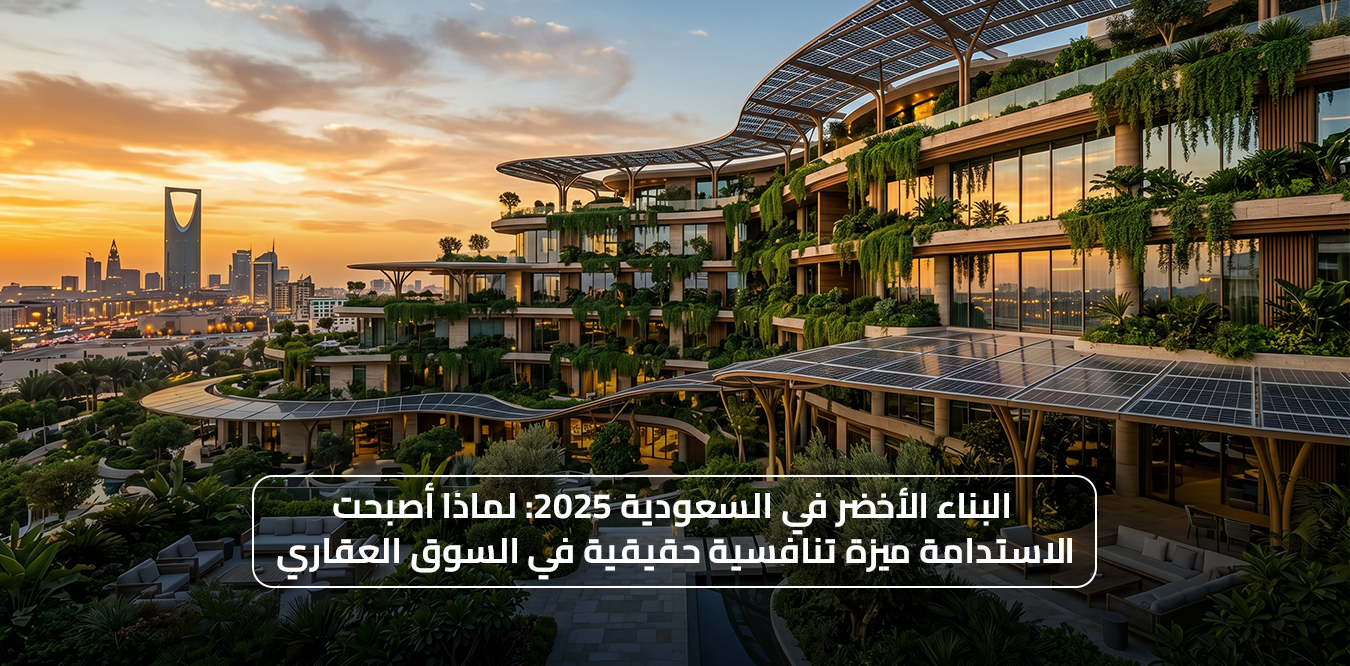
Discover the latest insights and innovations in architecture, interior design, and construction.
How smart lighting, climate control, and security systems have become non-negotiable in modern Saudi residential projects
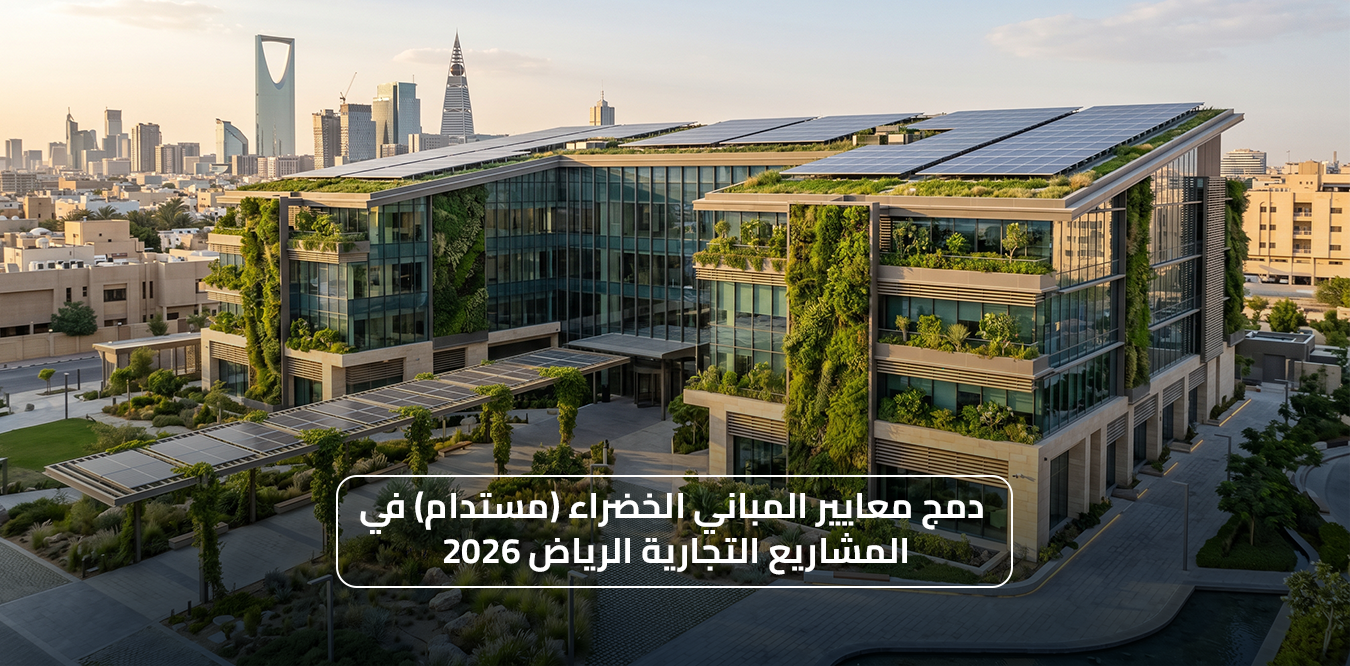
How LEED, Mostadam, and energy-efficient standards are reshaping property value across the Kingdom
The construction sector in Saudi Arabia is undergoing an unprecedented transformation in alignment with the sustainability goals of Saudi Vision 2030. Investors and real estate developers in Riyadh are actively searching for strategic mechanisms to integrate eco-friendly standards into commercial buildings to secure operational efficiency and comply with strict regulatory frameworks.
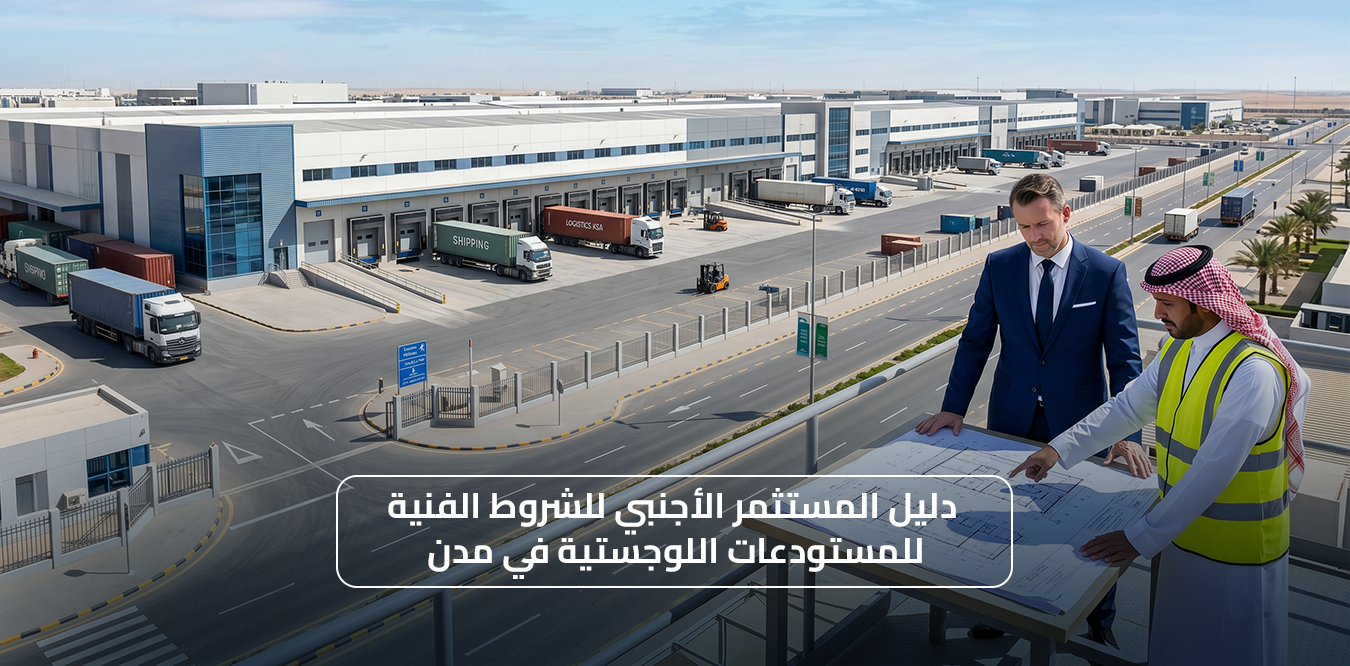
The Kingdom of Saudi Arabia stands as the premier logistical gateway in the region, propelled by its strategic geographical positioning and robust industrial infrastructure. Foreign investors are increasingly establishing massive logistics hubs and fulfillment centers within industrial cities managed by the Saudi Authority for Industrial Cities and Technology Zones (MODON), requiring strict alignment with approved engineering specifications.
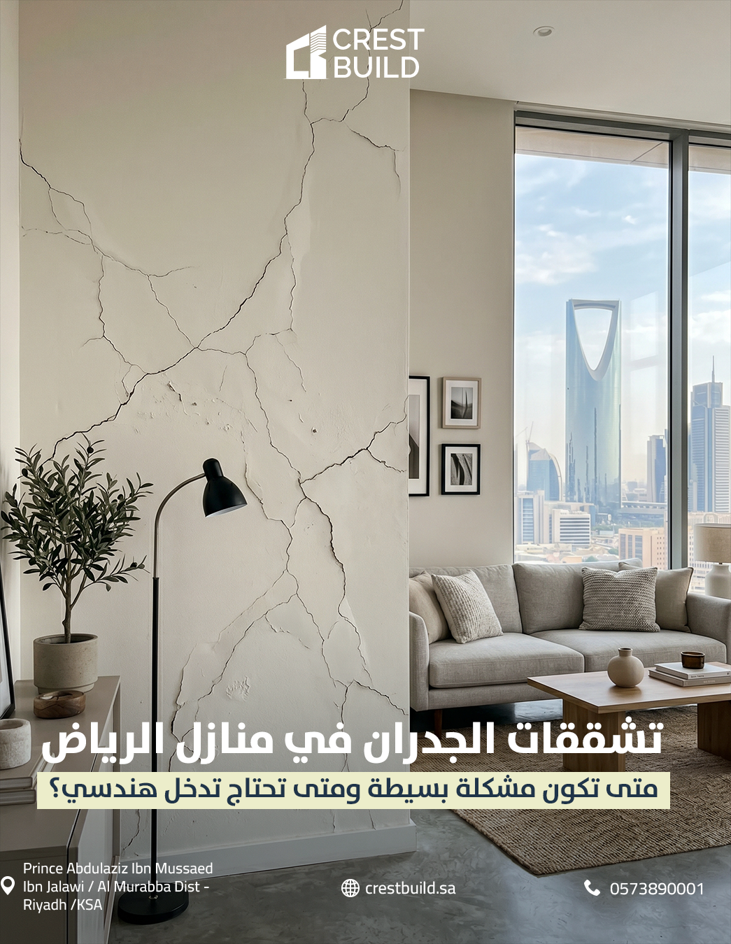
Many residential villas and buildings in the capital face natural challenges related to soil behavior and harsh, dry weather conditions. The sudden appearance of fractures and fissures in interior or exterior walls sparks significant anxiety among property owners, who often struggle to differentiate between superficial hairline cracks and severe structural failures that compromise the entire building's safety.
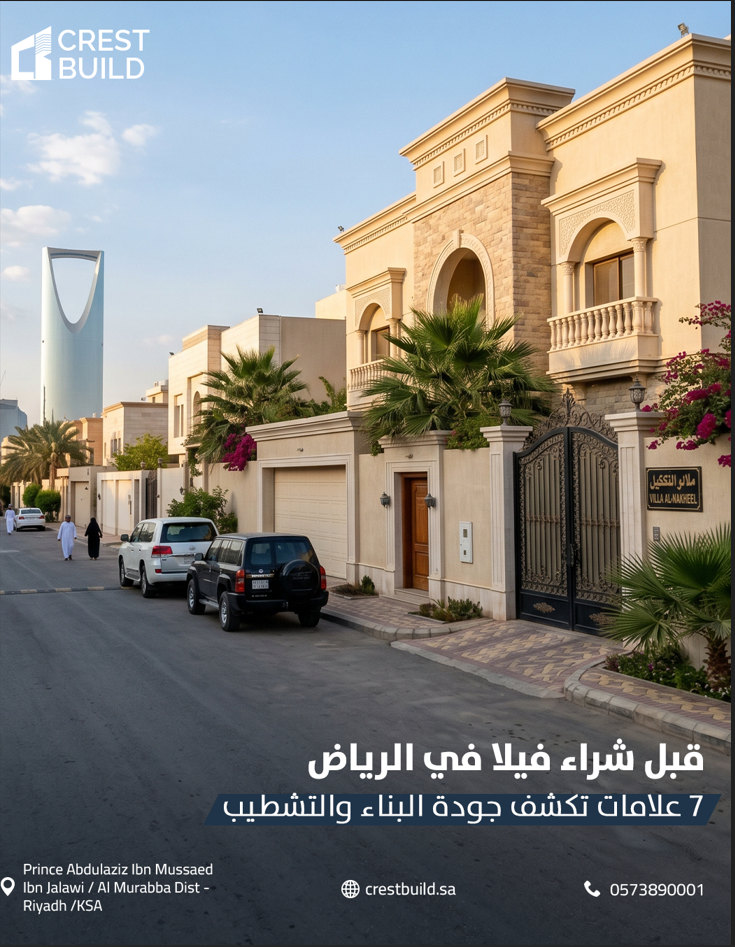
Acquiring a new residential villa or premium real estate asset in Riyadh represents a significant financial commitment that demands intensive technical diligence. Driven by the fast-paced real estate boom in Saudi Arabia, buyers frequently find themselves caught between aesthetically striking properties and commercial builds that hide underlying construction defects, which could trigger expensive maintenance issues in the near future.